Headaches

In acupuncture/TCM, there are 4 common causes for headaches:

  • Wind Invasion: With wind invasion, the flow of Qi is sluggish within the meridians and the headache has irregular manifestations. The pain comes and goes, the types of pain vary, it could feel like stabbing, pressure/distention, or pulsation/jumping pain. It happens often when a person goes out in a cold and windy weather with a wet head (sweating from exercising or washing hair).
  • Liver Yang Rising: The organ liver controls the anger emotion and constant anger/stress can cause headaches. This type of headache often happens on the top of the head or the upper part of the head. It often comes with dizziness, red face, sometimes ringing in the ears.
  • Qi/Blood Deficiency: Qi/Blood deficiency means a weak bodily constitution. This type of headache is often consistent, the level of pain is low. At the same time, the person often experiences fatigue as well.
  • Blood Stasis: Blood stasis is often a result of physical trauma. The pain is often with a fixed location, The level and types of pain vary.
  • (Migraine headache is called Shao-yang headache (lesser yang headache), because the Shao-yang meridian passes the side of the head. Any of the above 4 causes can result in migraine headache, so there isn’t a universal treatment approach for migraine in acupuncture)

Treatments:

Wind Invasion: The purpose is to restore the smooth flow of Qi and the points selected depend on the location of the pain.

  • Pain on the top of the head: Du20, UB7, Liv2
  • Pain on the forehead: St8, Li4
  • Pain on the side of the head: Tai Yang, GB43
  • Pain on the back of the head: UB10, UB60

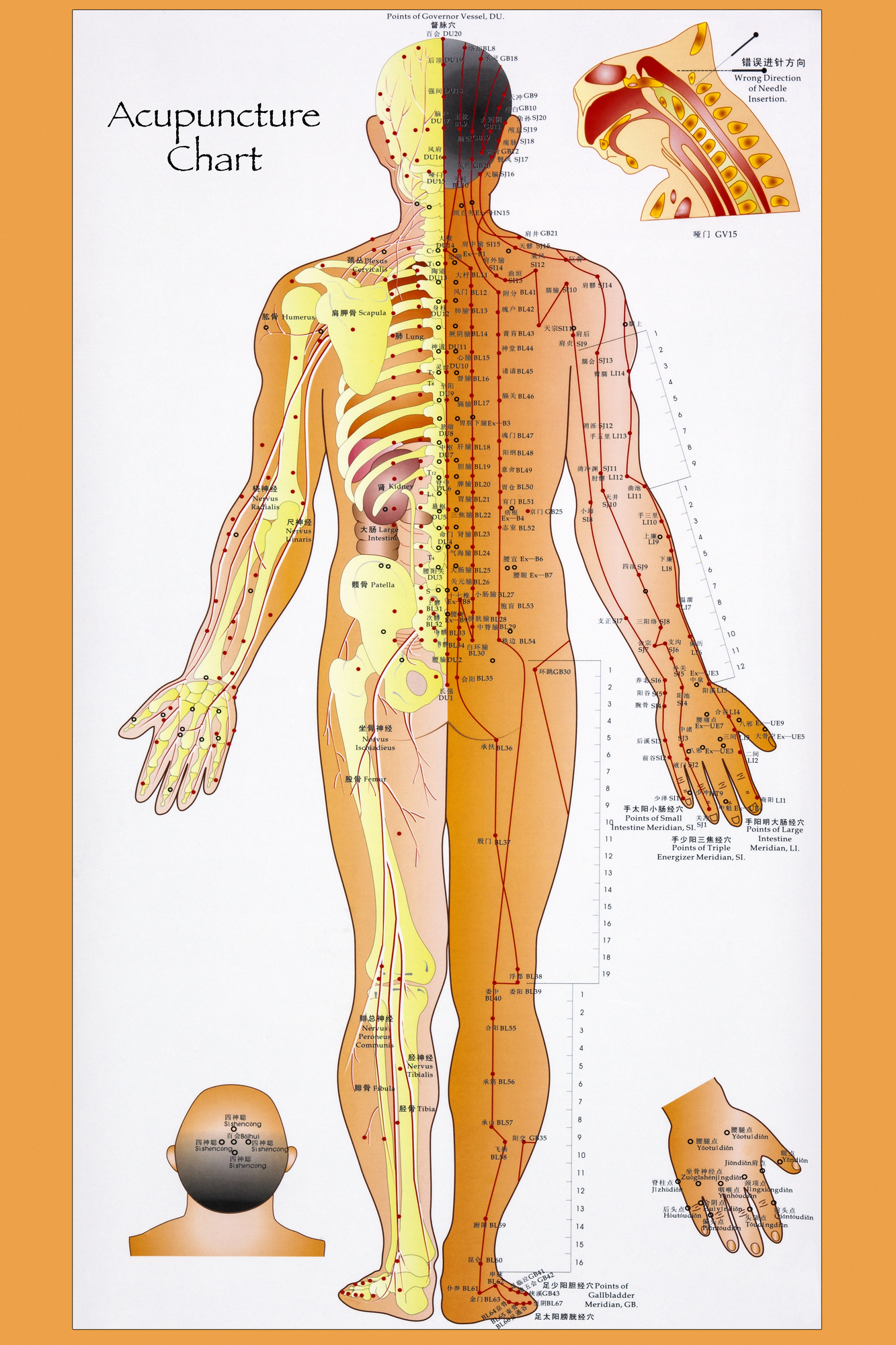
York. England. 06.08.13. Chinese Acupuncture Chart – Acupuncture is a system of complementary medicine that involves pricking the skin or tissues with needles, used to alleviate pain and to treat various physical, mental, and emotional conditions.


合谷 He Gu
太阳 Tai Yang
百会 Bai Hui

Liver Yang Rising: The purpose is to calm the liver and anchor Yang. Point selections are GB20, Liv2, Liv3, Du20
行间 Xing Jian
太冲 Tai Chong

Qi/Blood Deficiency: The purpose is to tonify/reinforce Qi and Blood. Point selection includes UB18, UB23, ST36, Ren6
足三里 Zu San Li
肾腧 Shen Shu

Blood Stasis: The purpose is to remove the stasis. Points selection often does not follow the meridians, instead needles are inserted where the pain is.

As you can see, acupuncture treats headaches by following the meridian theory. Points selected are not only on the head, but all over the body.

Below are links of modern studies and researches of acupuncture treating headaches.

https://www.migrainetrust.org/living-with-migraine/treatments/acupuncture/
Acupuncture For Headaches

https://insights.ovid.com/pubmed?pmid=19020156

https://americanmigrainefoundation.org/resource-library/understanding-migraineacupuncture-and-migraine-finding-a-combination-that-sticks/

https://www.sciencedirect.com/science/article/pii/S2005290117300614?via%3Dihub
https://www.ncbi.nlm.nih.gov/pmc/articles/PMC3291665/

The causes of diseases from acupuncture/TCM’s point of view.

When acupuncture/TCM was developed about 2000 years ago, there were no advanced equipment to observe bacteria and viruses, nor were there machines to perform laboratory tests. Yet, people would get sick as we do today. So ancient doctors tried to understand diseases with natural phenomena. Let’s take a look at how etiology is like in acupuncture/TCM.

In acupuncture/TCM, there are 6 categories of the cause of diseases.

 六淫 – Six Evil (6 pathogens) : Wind, Cold, Dampness, Dryness, Summer-heat, Fire(heat)


The 6 evils are natural phenomena of the changes of weather under normal circumstances, they are only evil when the changes happen abnormally (a cold spell in spring or an Indian summer). The abnormal changes plus a weakened immune can cause sickness. The 6 evils can affect the body solely, or combined; they can invade a person from the external environment, also can generate within the body.

风–Wind

  • External Wind invades the body through the skin and pores, and it often combines with the other 5 pathogenic factors. When there is strong wind blowing, one should cover up, especially if one just took a shower or exercised, the pores are open, which allows wind to invade. For example, Common cold is called wind-cold in acupuncture/TCM.
  • Internal Wind is generated by other pathogenic factors. Convulsion that happens with fever(热极生风-extreme heat generating wind), essential tremors(血虚生风-blood deficiency causing wind), and seizures(肝阳化风), are all under pathogenic wind category

寒–Cold

  • External Cold can invade the body in two ways. It can invade the body from the environment, such as commom cold (wind-cold), or gets into the body with cold food/drinks. Many females with menstraul cramps find warmth helps relieve the pain, this is thought to be due to ingestion of too much cold food/drink, such as ice water.
  • Internal Cold is due to the body’s lack of Yang. For example, chronic loose stool/diarrhea is due to Yang deficiency of the stomach/spleen. Sometimes external Cold can damage the Yang and transform into internal cold.

暑–Summer Heat

  • Summer heat only invades the body externally. It is the same concept of heat stroke in western medicine.

湿–Damp

  • External damp comes from the environment, where there is heavy moisture, such as a house by a river. Some types of skin diseases such as cellulitis are categorized under damp-toxic in acupuncture/TCM. (bacteria grow much easier in a damp environment, which could cause skin infection)
  • Internal damp often caused by improper diet. When a person consumes too much heavy food, such as cheese, fried food, etc., there will be internal damp accumulates. Symptoms include stick stool with constipation, etc. (Obesity is a type of damp disease)

燥–Dryness

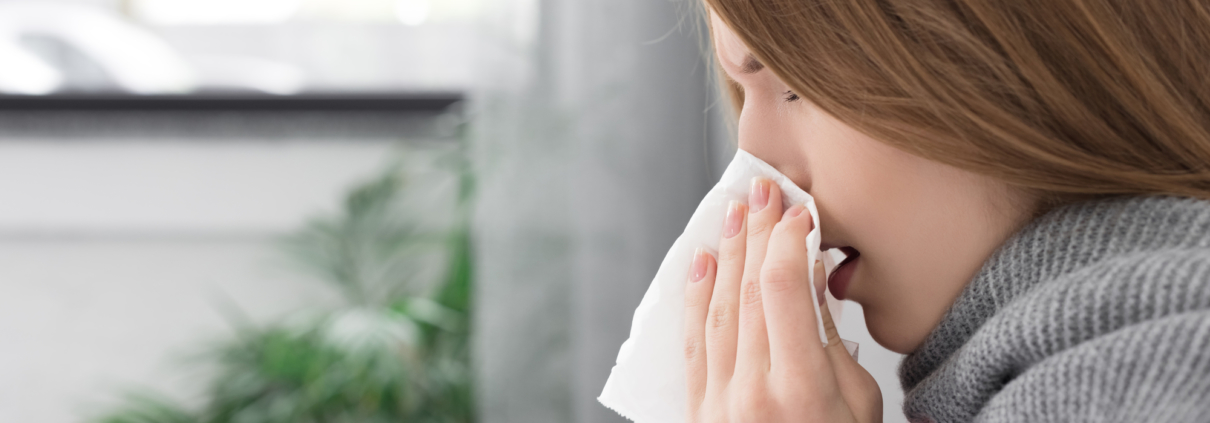
  • Dryness is an external evil. It often invades the body in fall and winter, especially in northern part of a country, such as Minnesota. Dryness attacks the respiratory system. This correlates with western medical concept: when the mucosa of the nasal cavity is dry, it loses it defensive mechanism, as a result we get upper respiratory track infection, aka common cold.

火–Fire

  • External fire invades the body from the environment. Viral/bacterial infections are under external fire category. (Infections cause localized swelling, redness, warmth, even fever)
  • Internal fire often caused by emotional/Yin-Yang imbalance. Stress, anger or over insomnia can generate internal fire.
  • Fire can also be generated when the other 5 pathogens accumulate. For example, common cold is caused by the invasion of wind-cold, and when wind-cold accumulate to certain level, it turns into fire, results in a fever.


What are the bodily substances in acupuncture/TCM’s point of view?

Modern medicine describes the body in term of biochemistry. Acupuncture/TCM has a different point of view about the body.

According to acupuncture/TCM theory, there are 4 basic bodily substances – Qi, Blood, Clear fluid and turbid fluid.

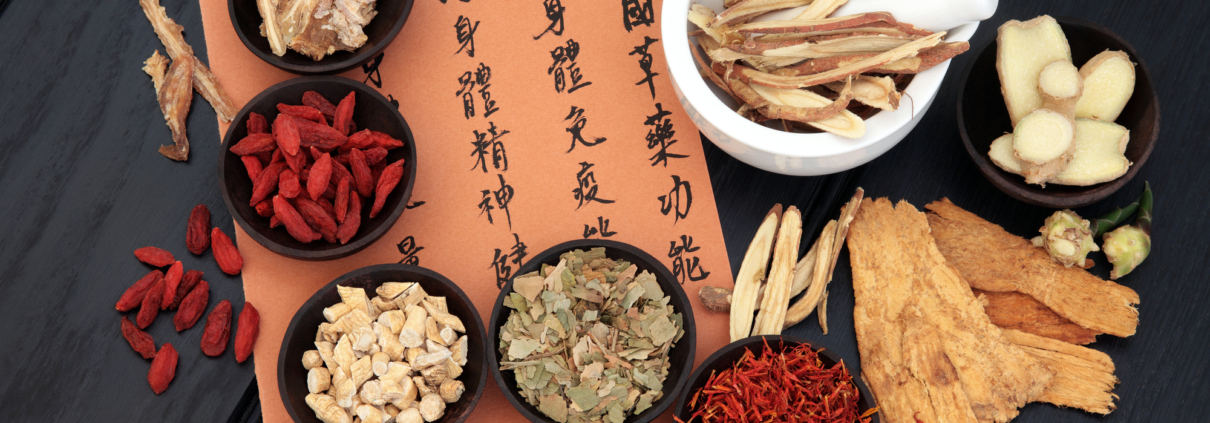
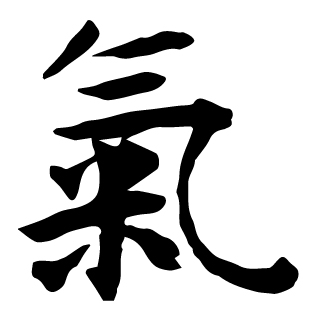
Qi (氣)- is the fundamental substance that maintains the body’s functions.
It consists of 3 elements:

• the essence we receive from our parents (genetics)
• the essence we receive from food (nutrition)
• the essence we receive from the nature (clean air, etc)
 

Qi has 5 functions:
  • Promotion of growth and bodily functions – Qi plays an important role in maintaining a person’s body to function normally. If a child does not have enough Qi(the Qi from the parents), then his/her growth would be impaired. Every organ has its own Qi, if the lungs do not have enough Qi, a person would suffer from asthma or frequent cold.
  • Warming – Qi keeps the body warm. The lack of Qi would result in cold body, which is often seen in chronic fatigue syndrome.
  • Defense – Qi protects the body from the invasion of pathogens. Like mentioned above, the Qi of the lungs helps with defending common cold.
  • Retention – Retention means Qi helps to contain bodily fluids. Children often have a lack of Qi, as a result there may be bedwetting or seminal emission. A woman may have heavy menstruation with Qi deficiency.
  • Metabolizing – Qi governs the necessary changes that happen within the body. If a person’s stomach Qi of spleen Qi are not strong, there will be digestive issues, and nutrients won’t be absorbed properly.
• Blood. In TCM, blood is often referred as what the blood does, but not as a connective tissue
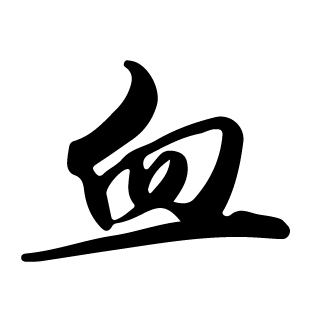
• Blood (血) – The concept of blood in TCM is not the same as it’s in modern medicine, which is considered as a connective tissue. Acupuncture/TCM focuses on the function of blood.
• Blood is thought to have a nourishing function for the body. A malfunction of blood could result in brittle nails, dry skin, lethargy (often seen in anemia), etc.

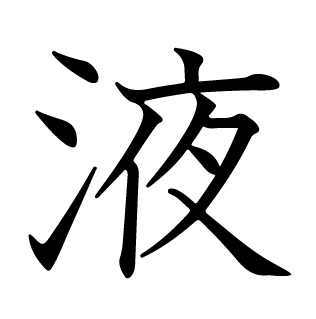
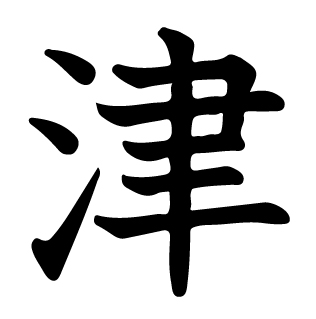
Jin (津) and Ye (液) – Jin and Ye are bodily fluids other then blood. Jin is considered as clear fluid, and it exists in the skin (sweat), in orifices (saliva, mucus). Ye is considered thick fluid, and it exists in joints(synovial fluid) and organs (such as the gastric juice).

The relationship between Qi and Blood.

Qi and Blood in acupuncture/TCM theory are interconnected. Qi is the governor of blood, because Qi helps the production of blood, the movement of blood and holds blood in place (through Qi’s promoting and metabolizing functions). On the other hand, blood is the mother of Qi, because Qi needs to move too, and its movement requires a platform, which is blood. In acupuncture/TCM diagnoses, there is a pattern called 气随血脱(Qi Sui Xue Tuo) “loss of Qi simultaneously happens with loss of blood “. If you have donated blood, can you remember how it felt like the next day?

How does acupuncturists/TCM practitioners make diagnoses?

Have you ever wondered how acupuncturists choose points to needle? Is it just random selection or is there some methods behind it?

Every treatment starts with a diagnosis. Unlike modern medicine, aka western medicine that uses diagnostic imagining, such as X-ray, and lab tests to make diagnoses, TCM has its own diagnostic procedures.

TCM’s diagnoses consist 4 approaches: 望-observing, 闻-listening/smelling, 问-inquiring, 切-palpating

  • 望-observing: What is observed is a patient’s overall appearance, such as complexion, gait, body type, and the tongue. Complexion can tell a person’s current bodily condition. For example, pale complexion indicates the patient is lack of Qi, or energy, which can be seen on patients with anemia.

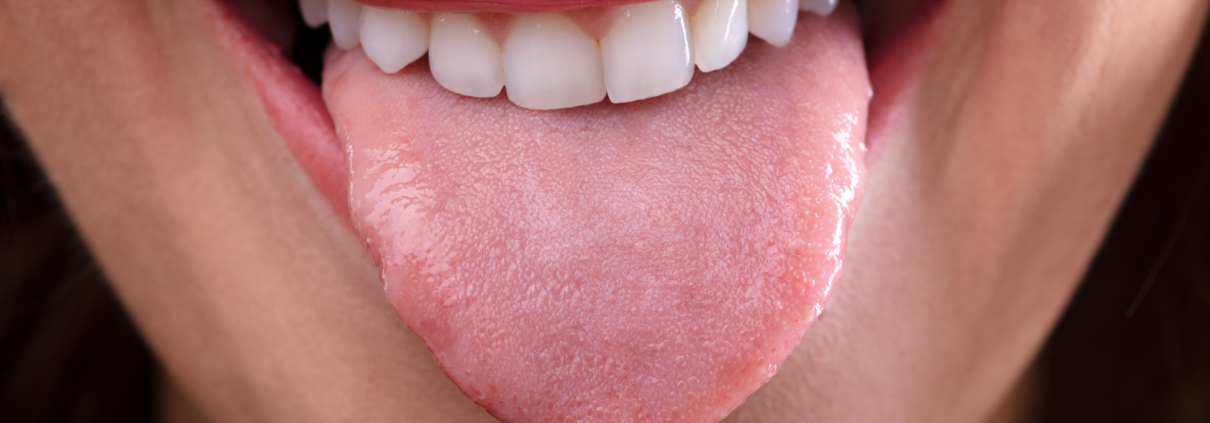
Observation of the tongue is an important part of TCM diagnosis. What are observed are the colors, shapes, coating and size of the tongue.

The center of the tongue corresponds to the stomach and the spleen(pancreas). People with chronic digestive
The colors and shapes indicate different TCM conditions
A red tongue indicates Heat condition, which is often seen in women who are going through menopause, hot flushes, agitation, etc
  • 闻-listening/smelling: What a practitioner listens and smells is a patient’s voice, breathing pattern and breath. A weak voice or shallow breathing indicates a deficiency pattern, which is often seen in heart and lung diseases. A bad breath without dental issue indicates a digestive condition.
  • 问-inquiring: There are 10 categories of questions asked.
  1. Natural body temperature: A warm body temperature indicates a heat/excess pattern, often seen in menopause, a cold body temperature indicates a cold/deficiency pattern, such as eating disorders.
  2. Sweating: Sweating on light exertion indicates a deficiency pattern, often Qi deficiency, such as in heart and lung diseases, or chronic fatigue syndrome. Running a fever without sweating indicates the condition is at its peak, which is often seen in fever caused by a cold.
  3. Head and overall body: Questions including headaches (type, location, manifestation) and musculoskeletal aches/pain.
  4. Bowel movements and urination: Times of bowel movements within a day, constipation (dry stool or feeling lack of movement)/diarrhea. Is there pain/urgency with urination, incontinence while laughing, coughing or sneezing,etc.
  5. Digestion: How is the appetite, the pattern of hunger (barely hungry-stomach cold or always hungry-stomach heat). Bloating, belching, acid reflex, etc.
  6. Chest: Is there heart palpitation, chest oppression/pain, shortness of breath, etc.
  7. Vision and hearing: Are there floaters in vision?(a liver pattern), is there ringing in the ear or diminished hearing/sudden deafness?(a kidney or kidney/liver dual pattern)
  8. Thirst: Are the mouth and throat often get dry even with adequate water intake? (a dry condition, often the lung, which is seen in smokers, also could be other heat patterns)
  9. Past medical history
  10. Overall life: This includes life style, changes (sudden or gradual) in one’s life
  • 切-palpating : What is palpated is the pulse on the radial side of the wrists. There 3 positions on each wrist to asses, each position represents 2 organs on a upper and deep levels. There are 28 types of pulsations, and they are categorized by speed, forcefulness, pulsating patterns and depth.


There are 3 positions for pulse palpation
Heart is a the upper level on the left wrist, and small intestine is on the lower level at the same spot. TCM/acupuncture diagnoses are all made by the 4 methods combined. But this is only the initiation, the next step is to narrow down the specific cause of illnesses, which includes the concept of TCM/acupuncture’s view on organs and bodily substances. I will explain in next blog.

The Flow of Qi in Meridians and organs

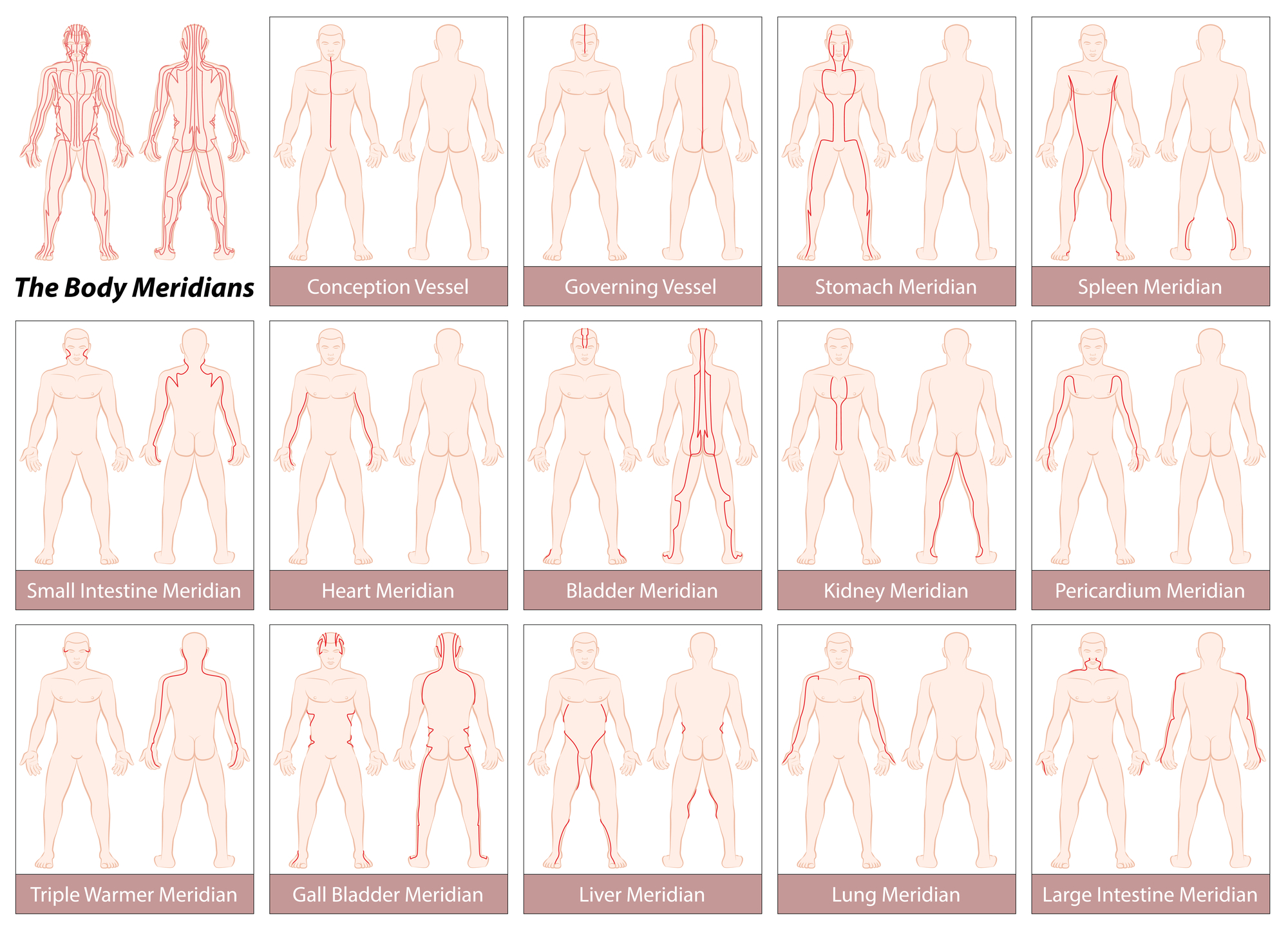
Each meridian is connected with an organ.

In acupuncture, or Traditional Chinese Medicine, the body is thought to be a whole, rather than a sum of individual parts. All the 12 meridians are connected, so are the 12 organs they connect to.


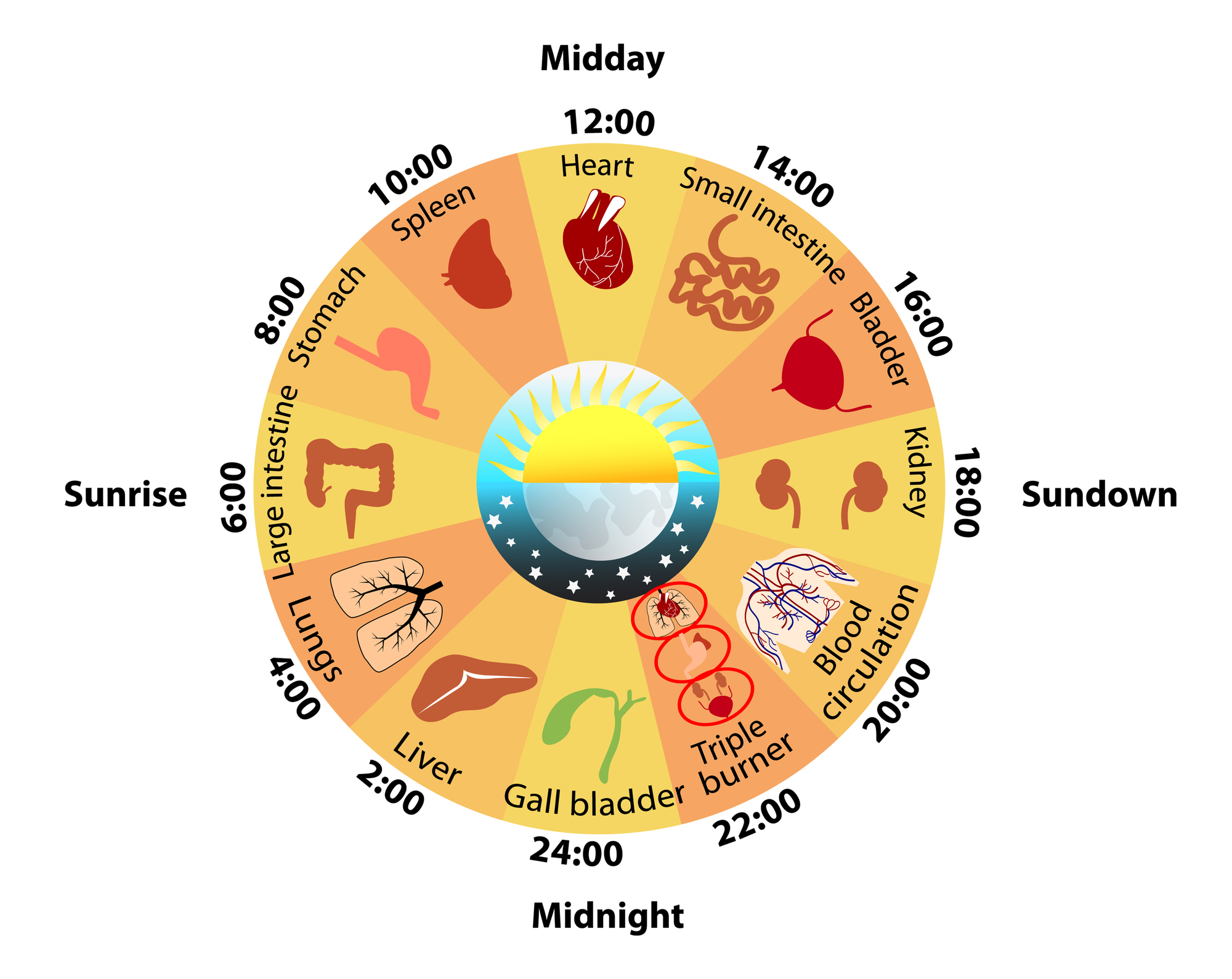
The flow of Qi in the 12 meridians

As you can see in the picture above, not only the Qi flows in the 12 meridians in order, each organ also has its own time in a day. What it means is that when an organ is at its time, its function is at the strongest point. For example, the liver is the organ that governs the smoothness of our emotions. If a person is suffering insomnia, in which he wakes up during sleep, then it is likely to happen between 1-3 am, which is the time of liver. This is often seen in people with a lot of stress.

This chart tells us that for each organ to function at its best, we need to do thing on a timely manner. A good examples is: breakfast should be consumed between 7-9, when the stomach is at its best, so we can have good energy to start a day (think about brunch, have you ever felt sluggish after having brunch, which is way past the stomach time)

Acupuncture and Meridians, continued

Before we dive in further in meridians, we need to take a look at the Five-Element theory first, because it is deeply related with the meridians.

let’s start with what the Five-Element theory is.

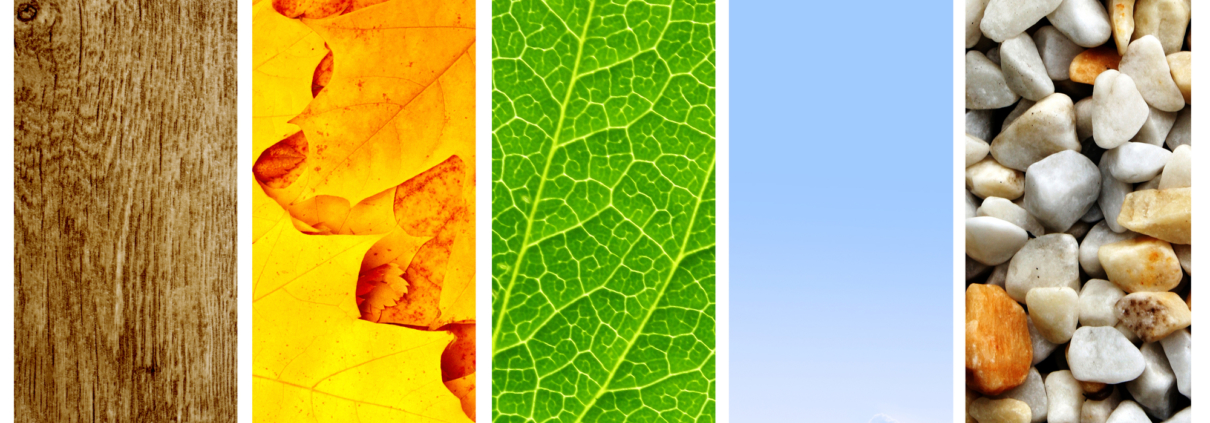
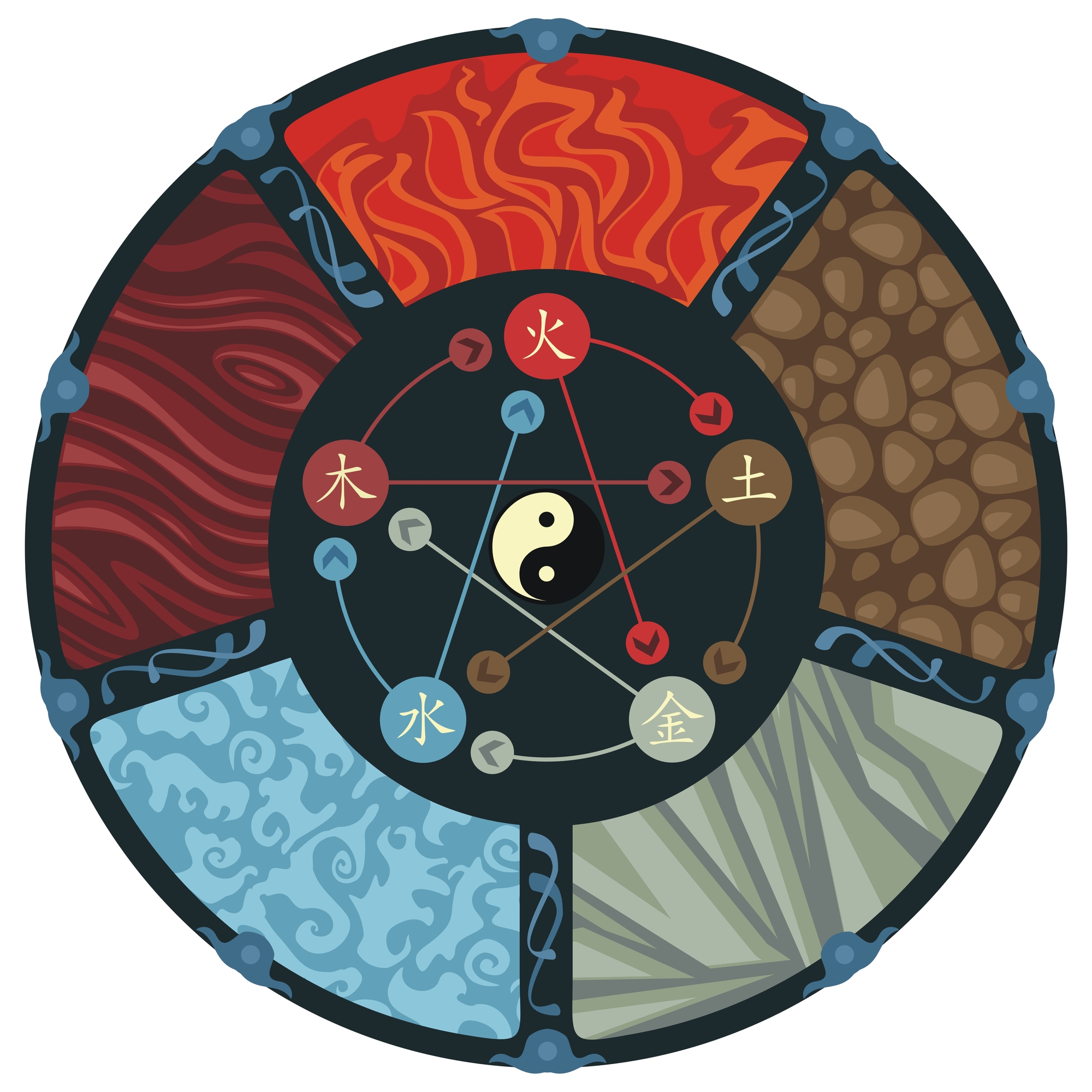
The Five-Element theory is one of the fundamental theories of Traditional Chinese Medicine philosophy. It thinks that the entire universe and everything it contains consist of 5 elements, which are Metal, Water, Earth, Wood, and Fire. These five elements form two types of sequences – the generating sequence and the restrain sequences.


As you can see, in the generating sequence,
• Fire generates Earth (imagine the ashes created by fire)
• Earth generates Metal (metals are found in earth)
• Metal generates Water (condensation that happens when a piece of metal’s temperature drops)
• Water generates Wood (plants and trees etc. need water to grow)
• Wood generates Fire (wood can be used to start fire)

In the restrain sequence,
• Fire restrain Metal (fire melts metals)
• Metal restrain Wood (metal tools can cut wood)
• Wood restrain Earth (imagine trees’ roots grasping earth)
• Earth restrain Water (imagine earth being dams)
• Water restrain Fire (water extinguishes fire)

With the above being said, what is the role of the Five-Element theory in acupuncture?

In acupuncture, organs are assigned with those 5 elements.
• Fire: Heart and Small Intestines
• Metal: Lungs and Large Intestines
• Wood: Liver and Gallbladder
• Earth: Stomach and Spleen(pancreas)
• Water: Kidneys and Urinary Bladder

Now let’s use a couple of examples to see how this works in a practical way.
• Control sequence: Fire-Heart(hyper emotions, such as anxiousness ) restrains Metal-Lungs(results in irregular breathing, such as hyperventilation)
• Generate sequence: Fire-Heart(Happy emotions) generates Earth-stomach(results in good appetite)
The examples above is a type of diagnostic modalities often used in acupuncture to determine the causes of patients’ current conditions.

The Five-Element theory goes hand by hand with the meridians, I will explain more in future blogs. Stay toned!

Acupuncture and Meridians – Introduction

Meridians or the meridian theory is one of the fundamental guiding theories of acupuncture, or Traditional Chinese Medicine.

Meridians are pathways and connections. As pathways, the energy – Qi, flows in them. As connections, they relate every part of the body: organs and organs, organs and the skin, the skin and muscles, etc. as a whole. These two properties allows the energy – Qi to circulate within the whole body. An acupuncturist or a TCM practitioner often uses the flow of Qi to make diagnoses and determine which meridian and point to use. This is why for the same condition, such as headaches in Western medicine, acupuncture often has several different diagnoses. Sometimes the points for headache are on the top of the feet and the lateral side of the lower legs (migraines, Gallbladder meridian), sometimes the points are on the ankle and the nape(occipital headache, tension headache, Urinary Bladder meridian).


They are 14 major meridians. 12 of them represent 12 major organs – the Heart, the Lungs(as one), the Liver, the Gallbladder, the Kidneys(as one), the Urinary Bladder, the Large Intestines, the Small Intestines, the Stomach, the Spleen(it is named “spleen”, but it actually means the Pancreas), the pericardium and the Triple Burner(an imaginary organ, modern analyses of classic literature believe it is the trunk of the body).

The quantity of information that the meridian theory contains is tremendous, I will explain it with multiple blogs. Stay toned!

Yin & Yang Theory in Acupuncture
Yin Yang – Great ultimate
Yin & Yang theory is one of the fundamental building blocks of acupuncture.
According to this theory, Yin and Yang are the sole building blocks of the universe and everything it contains, including the human beings.

• Yin and Yang are interdependent
• Yin and Yang are opposite
• Yin and Yang are mutually consuming and supporting
• Yin and Yang transform into each other

Yang Yin
Light/Bright Sun Dark/Moon
Strong/Assertive Recessive/Nurturing
Dry/Hot/Fire Damp/Cool/Water
Male Female
Positive Charge Negative Charge
Heaven Earth
Spring & Summer Autumn & Winter

What acupuncture needs to do for Yin and Yang?
Since everything is built upon Yin and Yang, everything contains both Yin and Yang. There needs to be a balance and harmony between the two. For example, the heart’s Yin is what keeps us calm and the heart’s Yang is what keeps us energetic. When there is a lack of heart Yin due to too much heart Yang, a person may be hyped up all the time, and a lack of heart Yang could result in lethargy. With acupuncture, the point HT7(神门) on the heart meridian can be needled to tonify heart Yin, and the point UB15(心腧) can be needled to tonify heart Yang.

HT7 Shen Men, 神门   |   UB15 Xin Shu, 心腧


Acupuncture(针灸) is a major component of an ancient medical modality called Traditional Chinese Medicine (TCM, 中医). Its application is based on 3 TCM core concepts – the meridian theory, the Yin Yang theory and the 5 elements theory. TCM believes that there is an energetic force called Qi (气) that constantly flows in special pathways – the meridians(经络), when Qi is stuck, or something that causes Qi to stuck, there will be illness.

There are 14 major meridians, 6 on the left side of body, 6 on the right side of the body, and there is one in the middle on the front, and one in the middle on the back. Each meridian has a number of special spots called acupuncture points, total 654, each point has different therapeutical function(s), and acupuncturists need to remember every one of them!

Acupuncture, an ancient Chinese practice where needles are inserted into the body to treat disease, offers many benefits to seniors. While American healthcare is designed around Western medicine, alternative medicine — including acupuncture — provides relief without medication.

As the Baby Boomer population reaches retirement in record numbers, chronic health care expenses of this generation are feared to collapse Medicare. Not only that, the preventative medicine concept of Eastern medicine helps seniors get healthy naturally, without prescription side effects. Many believe acupuncture, and other alternative therapies, are the best-kept secret in senior care.

Here’s why:

1. Acupuncture Returns the Body to the State of Health

Chinese medicine and acupuncture are based on the concept of ‘qi’ (pronounced “chi”), which means ‘life force energy.’ This natural energy is continuously generated and flows within the twelve major meridians in the body. The two polarities referred to as ‘yin’ and ‘yang’ help balance the energy flow in each of the meridians to return the body to a good state of health. Pathogens can make these energies unbalanced, which leads to disease. Acupuncture helps treat disease by restoring and normalizing the flow and balance of the ‘qi’ in the meridians to return the body to a state of health.

2. There Are No Prescriptions in Acupuncture

Acupuncture enables relief without dealing with the side effects of medications for many conditions and symptoms. One of the biggest problems in Western Medicine is the use of prescription medication in the elderly. In fact, the CDC estimates that every year 177,000 older adults visit the emergency room due to medical problems. Dr. Leslie Kernisan, Geriatrician and A Place for Mom expert, comments:

“Most older adults will not have their medications regularly reviewed by a geriatrician or geriatric pharmacist, so many oversights and problems can arise. The more medications a senior takes, the greater the chance of side-effects, interactions, and emergencies due to adverse events.”

If natural remedies can be used, such as acupuncture, they are a wonderful alternative to medications.

3. Acupuncture Benefits the Respiratory System

The World Health Organization (WHO) has reported many health benefits from acupuncture.

These upper respiratory tract illnesses have shown to benefit from acupuncture:

  • Acute Rhinitis
  • Acute Sinusitis
  • Acute Tonsillitis
  • Common Cold & Flu

These respiratory illnesses have shown relief from acupuncture treatments.

4. Acupuncture Helps Treat Eye Disorders

The WHO reports relief from the following eye disorders, which are quite common in the elderly:

  • Acute Conjunctivitis
  • Cataracts
  • Central Retinitis Myopia

For benefits 5-7, please click HERE.


AUTHOR 
Dana Larsen

LINK TO ORIGINAL SITE