What Is Acupuncture?(7)
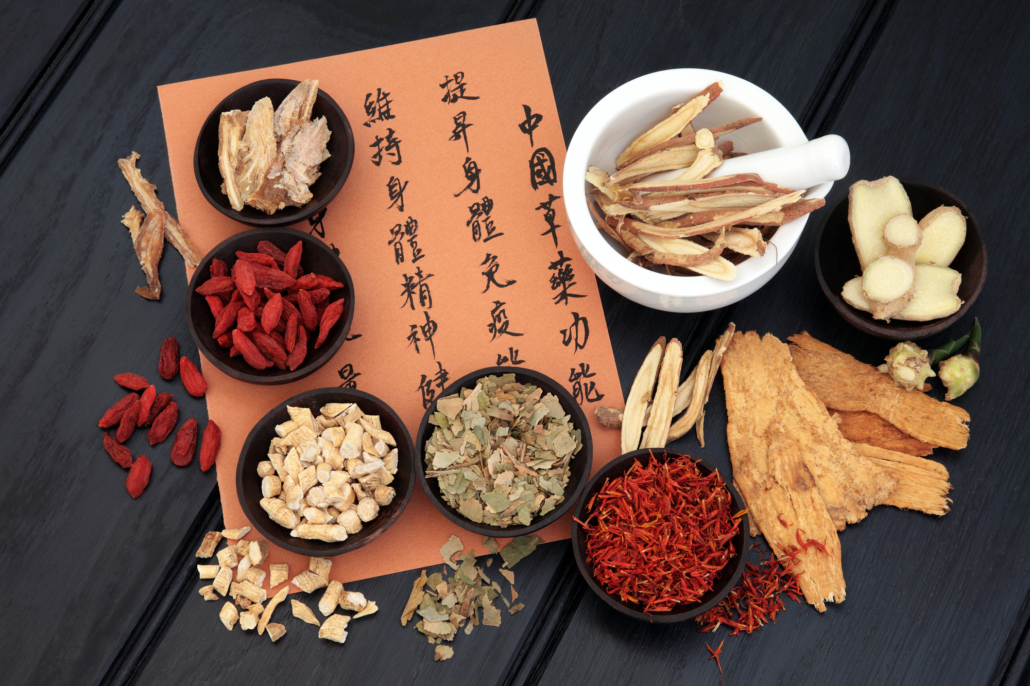
What are the bodily substances in acupuncture/TCM’s point of view?
Modern medicine describes the body in term of biochemistry. Acupuncture/TCM has a different point of view about the body.
According to acupuncture/TCM theory, there are 4 basic bodily substances – Qi, Blood, Clear fluid and turbid fluid.
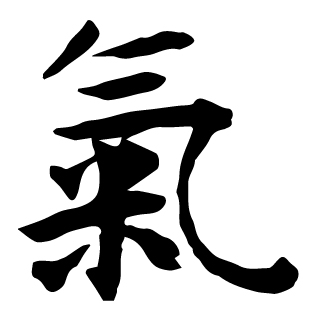
Qi (氣)- is the fundamental substance that maintains the body’s functions.
It consists of 3 elements:
• the essence we receive from our parents (genetics)
• the essence we receive from food (nutrition)
• the essence we receive from the nature (clean air, etc)
- Promotion of growth and bodily functions – Qi plays an important role in maintaining a person’s body to function normally. If a child does not have enough Qi(the Qi from the parents), then his/her growth would be impaired. Every organ has its own Qi, if the lungs do not have enough Qi, a person would suffer from asthma or frequent cold.
- Warming – Qi keeps the body warm. The lack of Qi would result in cold body, which is often seen in chronic fatigue syndrome.
- Defense – Qi protects the body from the invasion of pathogens. Like mentioned above, the Qi of the lungs helps with defending common cold.
- Retention – Retention means Qi helps to contain bodily fluids. Children often have a lack of Qi, as a result there may be bedwetting or seminal emission. A woman may have heavy menstruation with Qi deficiency.
- Metabolizing – Qi governs the necessary changes that happen within the body. If a person’s stomach Qi of spleen Qi are not strong, there will be digestive issues, and nutrients won’t be absorbed properly.
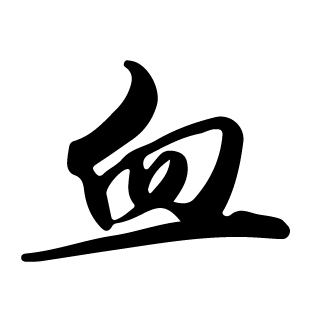 • Blood. In TCM, blood is often referred as what the blood does, but not as a connective tissue
• Blood (血) – The concept of blood in TCM is not the same as it’s in modern medicine, which is considered as a connective tissue. Acupuncture/TCM focuses on the function of blood.
• Blood is thought to have a nourishing function for the body. A malfunction of blood could result in brittle nails, dry skin, lethargy (often seen in anemia), etc.
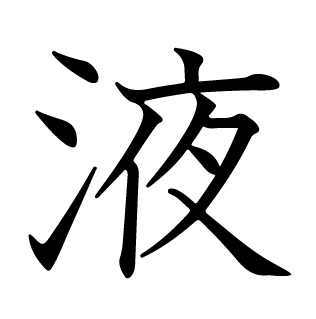
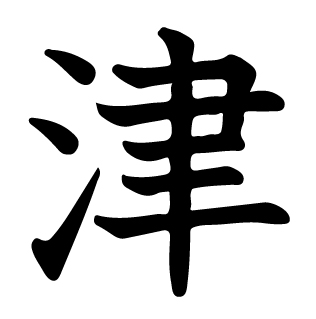
Jin (津) and Ye (液) – Jin and Ye are bodily fluids other then blood. Jin is considered as clear fluid, and it exists in the skin (sweat), in orifices (saliva, mucus). Ye is considered thick fluid, and it exists in joints(synovial fluid) and organs (such as the gastric juice).
The relationship between Qi and Blood.
Qi and Blood in acupuncture/TCM theory are interconnected. Qi is the governor of blood, because Qi helps the production of blood, the movement of blood and holds blood in place (through Qi’s promoting and metabolizing functions). On the other hand, blood is the mother of Qi, because Qi needs to move too, and its movement requires a platform, which is blood. In acupuncture/TCM diagnoses, there is a pattern called 气随血脱(Qi Sui Xue Tuo) “loss of Qi simultaneously happens with loss of blood “. If you have donated blood, can you remember how it felt like the next day?


